This post was originally published on here
The U.S. Department of the Interior issued a decision on the use of federal public lands that has the collective conservation community praising the move. If you care about wildlife, public land access and the future of hunting and fishing in America, then I believe you will be pleased to hear what just happened in Washington.
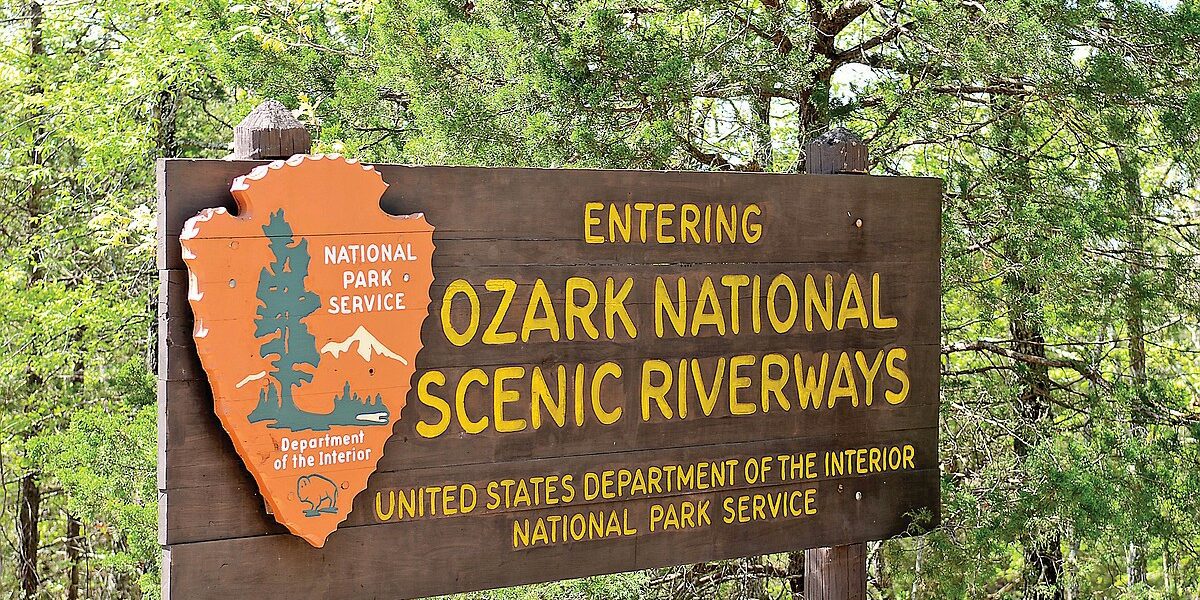
Secretarial Order 3447, signed by Secretary of the Interior Doug Burgum, establishes an “open unless closed” standard for hunting and fishing access across most public lands entrusted to the Department of the Interior. This includes lands managed by the Bureau of Land Management, National Wildlife Refuges, the Bureau of Reclamation and eligible National Park Service units. In short, public lands are presumed open to hunting and fishing unless there is a clear, science-based reason to close them.
The Association of Fish & Wildlife Agencies (AFWA) was quick to applaud the order, and for good reason. The directive reinforces coordination with state fish and wildlife agencies and affirms wildlife management decisions should be driven by science, not ideology.
“State fish and wildlife agencies manage wildlife for the benefit of all Americans, using science-based frameworks developed over decades of successful conservation,” said Paul Johansen, chief of the Wildlife Resources Section of the West Virginia Division of Natural Resources and president of the Association. “We appreciate Secretary Burgum’s commitment to coordination with state fish and wildlife agencies and his recognition that effective conservation is achieved through collaboration, not one-size-fits-all mandates.”
Johansen delivered his message while testifying before the House Natural Resources Subcommittee on Water, Wildlife and Fisheries. His testimony emphasized decisions affecting hunting, angling and wildlife management must respect state authority, incorporate the best available science and account for real-world conditions on the landscape. Secretarial Order 3447 does exactly that, providing much-needed certainty for states, sportsmen, and conservation partners alike.
“America’s wildlife conservation model depends on partnership,” said Ron Regan, executive director of the association. “Secretarial Order 3447 helps ensure that federal actions align with state-led conservation programs that have delivered measurable benefits for wildlife and habitat nationwide.”
The North American Model of Wildlife Conservation only works when federal agencies, states, tribes, conservation organizations and, most importantly, private landowners, are rowing in the same direction.
The firearms and outdoor industry also understands what’s at stake. The National Shooting Sports Foundation (NSSF), the trade association for the shooting sports industry, praised the announcement, noting the initiative grew out of close coordination with the Department of the Interior and reflects the people who actually fund conservation.
“Secretary Burgum is delivering for hunters and conservationists through this announcement,” said Lawrence G. Keane, NSSF senior vice president for Government & Public Affairs. “NSSF has long advocated for public lands to be accessible to the American public, especially for hunting. Wildlife conservation decisions must be anchored in sound science that benefits healthy animal populations and the ability for Americans to enjoy the public lands for which they pay. We are grateful to Secretary Burgum for his commitment to remove barriers of entry to the outdoors and incentivize proven wildlife conservation strategies.”
Since 1937, the Pittman-Robertson Act has collected an excise tax on firearms and ammunition to directly fund wildlife conservation. Adjusted for inflation, that investment now exceeds $29 billion. Add in the similar Dingell-Johnson Act for sportfishing, Federal Duck Stamp dollars, license fees and other sportsmen-funded mechanisms, and there is no debate about who pays for conservation in this country. It’s hunters and anglers.
This order also addresses one of the more controversial issues of recent years, which is ammunition restrictions on National Wildlife Refuges. The directive eliminates blanket alternative ammunition mandates imposed without solid scientific justification. Instead, the U.S. Fish and Wildlife Service will require alternatives only where field data demonstrates population-level impacts.
The Boone and Crockett Club welcomed Secretary Burgum’s order as a strong affirmation of hunting and fishing access on Department of the Interior lands. Founded by Theodore Roosevelt in 1887, the nation’s oldest conservation organization has spent nearly 140 years helping protect federal public lands as vital wildlife habitat and as places where the public can continue to hunt.
“With our extensive engagement on hunting and conservation policy issues, we will continue to work with the Department and its bureaus to achieve the improvement of the overall conservation value of our nation’s federal lands. Hunting and fishing have long been a key part of that conservation use, and the Boone and Crockett Club appreciates today’s action as an important step in sustaining these outdoor traditions,” said Tony A. Schoonen, CEO of the Boone and Crockett Club.
By stripping away unnecessary regulatory and administrative hurdles, the order helps ensure hunting and fishing remain sustainable, science-based uses of our public lands. The Club also recognized the Department’s commitment to a responsible, data-driven approach to lead ammunition and fishing tackle, supporting informed choices by sportsmen and women and limiting regulation to situations where measurable impacts to wildlife populations exist.
“This is one of the most important conservation and access actions taken in decades,” said Greg Sheehan, president and CEO of the Mule Deer Foundation. “Secretary Burgum is reaffirming that hunting and fishing are not fringe activities on public lands, they are foundational to how wildlife is conserved, funded, and managed in America.”
Sheehan went on to say, “Wildlife refuges exist because hunters built them. From Federal Duck Stamps to Pittman-Robertson excise taxes on firearms and ammunition, sportsmen and women have paid for the acquisition, restoration, and long-term care of these lands. This order properly recognizes that history and ensures the public can continue to participate in wildlife management through scientifically regulated harvest.”
Under the new directive, annual federal hunting and fishing rules will mirror adjacent state regulations, thus eliminating confusion and improving coordinated management. That’s good for wildlife, good for access and good for the future of hunting, fishing and trapping. Conservation succeeds when science leads, states’ rights are respected and the people who fund the system are welcomed on the lands they have paid to conserve for generations.
See you down the trail. …
III
Brandon Butler is an outdoors columnist for the News Tribune. Contact him at [email protected].