This post was originally published on here
Ahmedabad Others
Ruling stresses natural justice, warns officials against blindly following audit opinions; HC stops short of permanent reprieve
Array
(
[galleryId] => 85361175379a267f953aa6860926ea773deaf6b335f8f6b6
[thumbImage] => https://media.ahmedabadmirror.com/am/uploads/mediaGallery/image/1753993092668.jpg-thmb
[largeImage] => https://media.ahmedabadmirror.com/am/uploads/mediaGallery/image/1753993092668.jpg-sldr
[fullImage] => https://media.ahmedabadmirror.com/am/uploads/mediaGallery/image/1753993092668.jpg-org
[videoObj] =>
=> High Court
[altText] => High Court
[description] => High Court
[title] =>
)
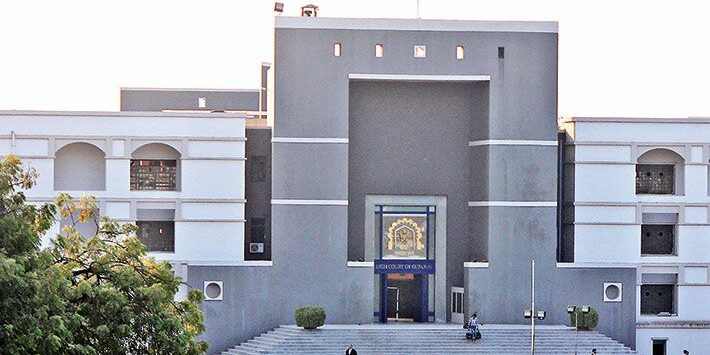
High Court

In a significant ruling for housing societies, the Gujarat High Court has set aside an order demanding an additional premium of nearly Rs 49 lakh from the Aashta Villa (Sola) Co-operative Housing Service Society, located near Science City. The society comprises a cluster of sprawling bungalows.
The decision, delivered by Justice Vaibhavi D Nanavati, underlined the obligation of administrative authorities to follow the principles of natural justice and apply independent judgment, rather than acting mechanically on external audit opinions.
The dispute stemmed from a June 2023 communication issued by the resident additional collector of Ahmedabad, directing the city mamlatdar of Ghatlodia to create a revenue charge for a premium difference amounting to Rs 48,96,320. The demand was based on an opinion from the office of the Accountant General, which suggested that the jantri value of the land should have been calculated at a higher rate at the time of its conversion to non-agricultural (NA) use several years earlier. On that basis, the society was asked to pay the additional amount.
The land’s history dates back to 2003, when permission was granted to convert it from restricted to unrestricted tenure. After its sale to a builder in 2004 and subsequent tenure regularisations in 2005, the collector’s office fixed the premium for NA permission in 2009.
The petitioner society contended that the entire premium amount was paid, following which NA permission was formally granted in early 2010. It also pointed out that the land has since been fully developed into a residential scheme, all units have been sold, and the co-operative society has been duly formed.
In her order, Justice Nanavati identified two fundamental flaws in the government’s action. First, the court held that the society was not given a fair opportunity of being heard before the prejudicial order was passed.
Second, the court found a clear lack of application of mind on the part of the resident additional collector. The judge observed that the official appeared to have blindly followed the Accountant General’s opinion without independently examining whether it was legally or factually sustainable.
While quashing the demand and the consequential revenue entry, the High Court stopped short of granting a permanent reprieve. It left it open to the state authorities to initiate fresh proceedings, if they so choose, provided the society is given a proper hearing and the exercise is carried out in accordance with prevailing government policies.