This post was originally published on here
The discovery could tackle some of the hard-to-treat cancers.
Scots scientists seeking answers to the mystery of why cancer occurs in certain parts of the body and not others may have found a new way to tackle some of the hard-to-treat diseases.
The research team focused on genetic faults that allow cancer to hijack a signalling system in the body which tells cells when, and when not, to grow. Cancer can then use that system, called the WNT pathway, to grow tumours in the intestine and liver.
But the scientists have revealed that a protein called nucleophosmin (NPM1), which is involved in the control of growth, was found to be in high levels in bowel cancer and some liver cancer due to the genetic errors in the WNT pathway. By blocking this protein, they discovered that it may be possible to develop new treatments for specific cancers which hijack the body’s growth system through this genetic error.
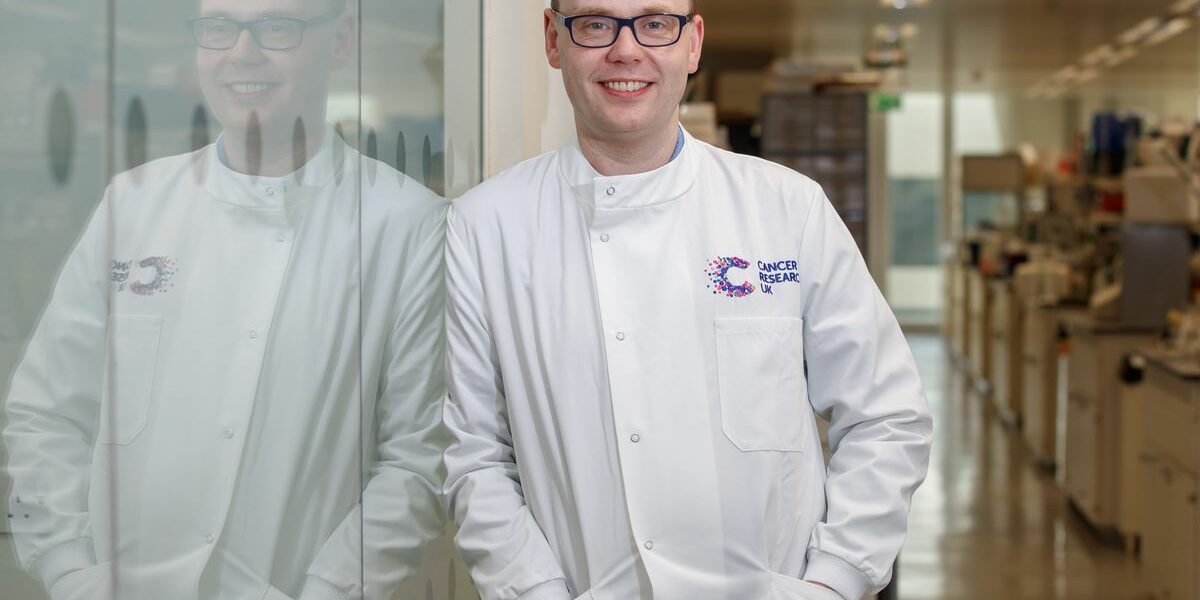
Lead researcher on the project Professor Owen Sansom, Director of the Cancer Research UK Scotland Institute and the University of Glasgow, and co-investigator for team SPECIFICANCER, said: “Because NPM1 isn’t essential for normal adult tissue health, blocking it could be a safe way to treat certain cancers, like some hard-to-treat bowel and liver cancers.
“We found that if NPM1 is removed, cancer cells struggle to make proteins properly and this allows a tumour suppressor to activate, preventing cancer growth. Increasing numbers of people are affected by these cancers, with some treatments unfortunately limited for some patients, so finding a new way to tackle these cancers is crucial.”
Researchers at the Cancer Research UK Scotland Institute in Glasgow studied genes which can cause cancer, looking specifically at the bowel and liver to discover why those genes only cause cancers in specific tissues.
This new research identified a way to target some of the genetic errors that cause hard-to-treat cancers in those organs. Scotland has one of the highest rates of bowel cancer, also known as colorectal cancer, and liver cancer in the UK.
There are around 4,200 people in the UK diagnosed with bowel cancer each year. It remains the second most common cause of cancer death in Scotland, claiming around 1,700 lives annually.
A recent study by the American Cancer Society showed early-onset bowel cancer rates in adults aged 25-49 are rising in 27 of 50 countries studied and are rising faster in young women in Scotland and England than in young men Around 670 people die from liver cancer each year in Scotland.
Dr David Scott, Director of Cancer Grand Challenges, said: “Scientific breakthroughs like this demonstrate the power of Cancer Grand Challenges to bring together the world’s best minds to transform our understanding of how cancer starts and, crucially, how we treat it.
“By scrutinising the fundamental processes that drive cancer, we can tackle the disease at its beginnings, driving progress towards real-world impact for people affected by cancer.”
Bowel and liver cancers were the focus of this latest research, but the team hope its findings could be applicable to other cancers.
The next step is to find medical treatments which block the production of the NPM1 protein. There are already existing treatments which can slow tumour growth so if a new drug can be discovered to target NPM1 in the same way, it could provide a safe and effective way to treat certain cancers.