This post was originally published on here
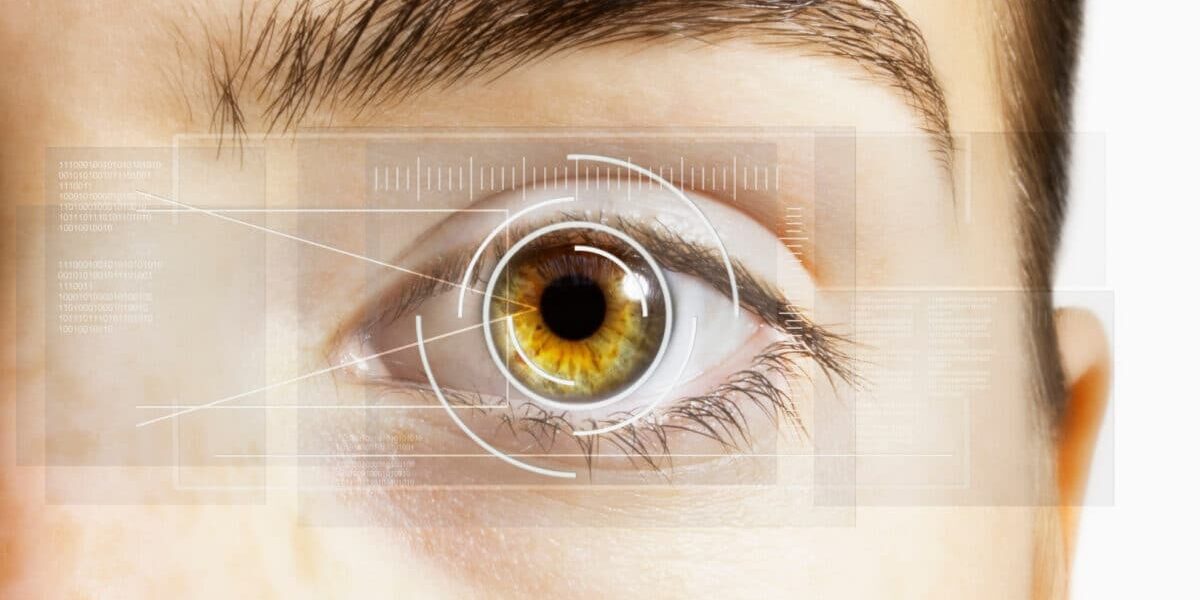
The blind spot, first discovered in the 17th century, is a natural feature of the eye. It appears where the optic nerve enters the eye, and it exists in nearly every animal, with the exception of squids and octopuses. But instead of experiencing a gap in our visual field, the brain compensates, filling in the spot with surrounding details.
This remarkable illusion has long fascinated researchers, and now, a team of scientists from the University of Glasgow is investigating whether this quirk could help us understand the workings of human consciousness. Their research will test three leading theories of consciousness to see how our brains process and interpret the world.
Theories of Consciousness: Can the Blind Spot Offer Clues?
The University of Glasgow’s team is testing three major theories of consciousness: Integrated Information Theory (IIT), Predictive Processing Active Inference (AI), and Predictive Processing Neuropresentationalism (NREP). According to the researchers, IIT proposes that the brain’s perception of space should be altered when it encounters the blind spot, since the brain integrates information across the visual field. This integration could be disrupted by the blind spot, potentially offering insights into how consciousness is formed.
Meanwhile, AI and NREP suggest that the brain relies on internal models to predict sensory input, constantly adjusting these models to reduce errors. In this context, the blind spot acts as a structural deviation that the brain must adapt to, offering further understanding of how the brain creates a continuous experience of the world. The team hopes that exploring these different theories will allow them to pinpoint the mechanisms behind consciousness.
Filling in the Gaps: How Illusions Shape Our Perception
The brain’s ability to “fill in” the blind spot is a fascinating example of visual illusion. Despite the hole in our field of vision, we don’t perceive it. Instead, the brain cleverly extrapolates from surrounding details to create a seamless experience. This ability to “erase” imperfections in our perception may be closely tied to how we construct our sense of reality, raising important questions about the relationship between perception and consciousness.
Researchers plan to study how the blind spot affects our sense of space by conducting experiments designed to test spatial awareness and perception around the blind spot. According to the research protocol published in PLOS One, they will map individual blind spots and calibrate eye-tracking devices to measure how people experience the space around them. These tests could lead to a better understanding of how the brain adapts to perceptual gaps and how this process relates to our conscious experience.
Unlocking the Mystery of Consciousness: Why This Research Matters
Understanding the blind spot could hold the key to solving one of science’s greatest puzzles: how consciousness arises. Despite its central role in our lives, consciousness remains one of the most elusive phenomena in neuroscience. By studying how the brain handles visual imperfections like the blind spot, scientists hope to bridge the gap between the physiological processes of the brain and our subjective experience of the world.
Lars Muckli, the senior neuroscientist leading the research at the University of Glasgow, has spent years studying the brain’s visual cortex and its role in generating illusory experiences. His work on aphantasia, the inability to visualize images, has contributed to a growing understanding of how the brain constructs reality. By focusing on the brain’s handling of visual illusions, Muckli and his team hope to reveal how consciousness emerges from the complex neural processes that govern our experience of the world.