This post was originally published on here
Kids’ movies are too often dismissed as trivial, though some feature masterful craft. Even when a children’s movie possesses the makings of an incredible film, it is rarely treated as a serious entry into the cinematic realm.
Kids’ films are lauded for their profitability rather than their craft. Studios heavily invest in the family movie genre as it generates revenue at the box office. However, the conversation surrounding a successful kids’ movie largely stops at its box office earnings.
The lack of critical consideration afforded to family features is made clear during the awards season. Kids’ movies are largely relegated to the animated feature category at the Academy Awards, with some recognition for technological achievements. However, kids’ movies are scarcely celebrated for their screenplays, performances, or direction. Family films by renowned directors are too easily written off as a momentary departure from their serious filmmaking.
While kids’ movies are made accessible for young minds, this does not necessarily mean that they are dumbed-down. A plethora of childhood classics exhibit a level of thought and craft equal to or beyond that of praised adult-oriented features.
Kids’ movies are frequently found at the forefront of imagination and innovation. These long-lasting films surpass the rank of childhood classics and ascend to the status of cultural cornerstones.
10
My Neighbor Totoro (1988)
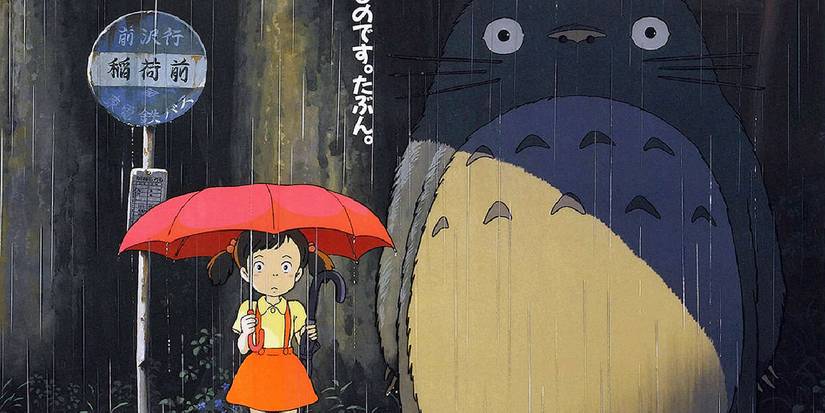
My Neighbor Totoro transformed Studio Ghibli into a household name, and the premier studio for anime films. This early production set the standards for Ghibli films moving forward.
Reportedly, a team of eight animators created the iconic anime in just eight months. Following this abbreviated and small-scale production, the film was released in 1988 to great acclaim.
In My Neighbor Totoro, two young girls embark on amazing adventures with a gentle forest spirit. The excellent production basks in intimate moments of childhood glee, largely circumventing the high-drama conflict usually used to thicken a film’s plot.
The heartwarming narrative and serene visuals and sound design make Totoro a beloved classic, beyond the kids’ movie category. My Neighbor Totoro remains an unforgettable film that exemplifies the art of quiet filmmaking.
9
Pee-wee’s Big Adventure (1985)
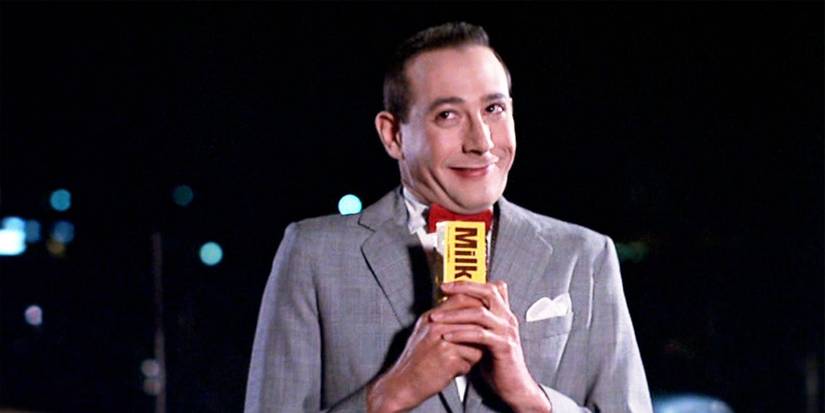
Pee-wee’s Big Adventure is Tim Burton’s first feature film. The auteur’s distinct scene setting establishes a wacky live-action cartoon world for the over-the-top character to rightfully reside.
The expertise of Pee-wee’s Big Adventure begins with the screenplay. The PG film was written by Paul Reubens (Pee-Wee), Phil Hartman, and Michael Varhol. The film’s simple plot could be studied in screenwriting courses as it strips down effective narrative storytelling to its simplist form. The plot follows Pee-wee Herman’s national adventure to rescue his beloved stolen bike.
The bike acts as a classic MacGuffin that effectively propels the twisting plot. Pee-Wee’s incredible adventure carries audiences far beyond the inciting incident. As the film comes to a satisfying close, the success of the journey is not the recovered bike, but Pee-wee’s growth as a character.
This cultural cornerstone is featured in the Criterion Collection, a distribution company with the mission of “publishing important classic and contemporary films from around the world.”
8
Matilda (1996)
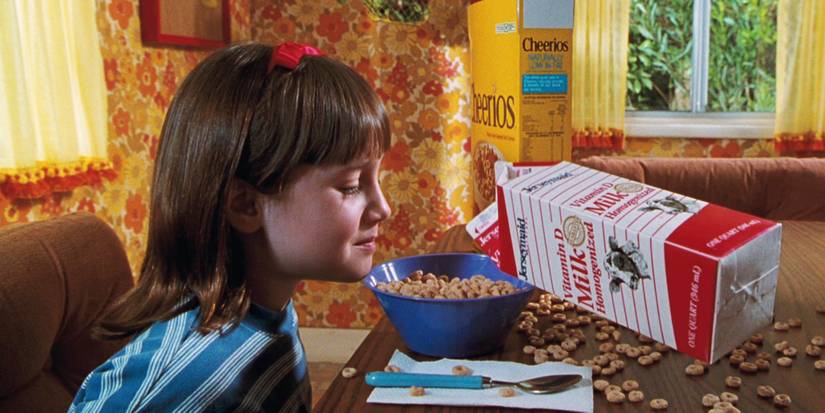
Director Danny DeVito re-tells the classic Roald Dahl story of a brilliant young girl who discovers she has extraordinary magical powers, in Matilda (1996).
A passion project for DeVito, the film exudes a deep understanding and admiration of the original book. The PG-rated movie explores the darker moments of Dahl’s story while elevating its intrinsic message of hope. The Matilda book and movie refuse to dilute the narrative for its target audience, and instead allow kids’ to delight in intricate characters and quirky humor.
The film did not perform well upon its initial release, grossing just $33 million worldwide against a $35 million budget. However, the film received largely positive critical reviews at the time, and has since found its audience. Matilda has settled into film history as a beloved classic and a masterclass in book adaptations.
7
Toy Story (1995)
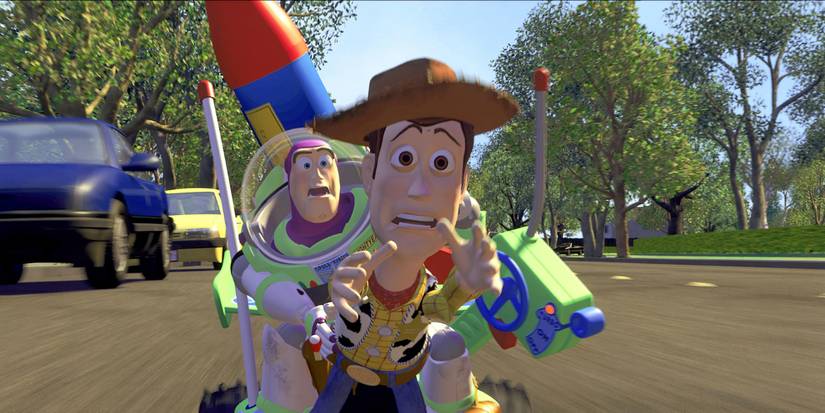
Toy Story proves that children’s movies can reside at the forefront of innovation. The 1995 movie forever altered the nature of animation as the first fully computer-animated feature film.
Pixar received a Special Achievement Award at the 1996 Oscars for pioneering 3D animated features. The film’s technological spectacle, which drew initial audiences, has since become outdated. However, Toy Story‘s expert storytelling has stood the test of time. The iconic story chronicles the epic journey home of a cowboy doll and spaceman action figure who were separated from their owner.
Punctuated with well-timed comedy and an enthralling performance by lead Tom Hanks, Toy Story is an integral piece of cinematic history. The franchise remains vital today and has received five additional installments.
6
The Lion King (1994)
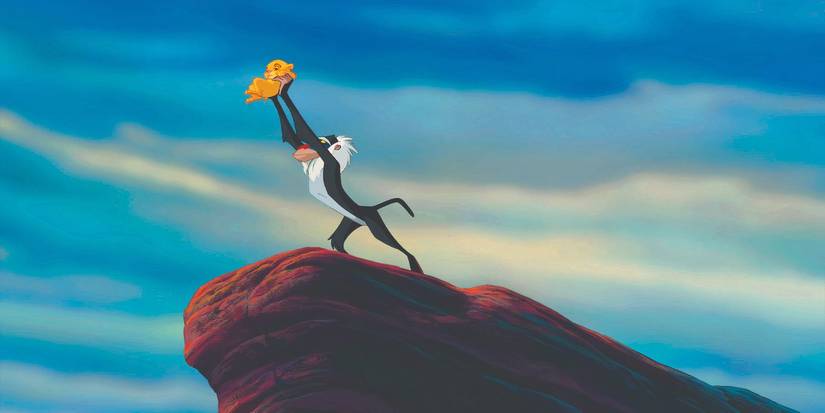
The Lion King is one of the most iconic movies of all time. It was among the highest-grossing films in 1994—earning $771 million worldwide— and remains a cultural fixture today.
The Disney movie received critical recognition for its score by Hans Zimmer, earning three of the five nominations for Best Original Score at the 1995 Academy Awards. While the film presumably would have won the Oscar for Best Animated Feature, that category did not exist for another seven years.
Though lauded for its epic animation and award-winning soundtrack, the film’s masterful screenplay does not always get its due. However, The Lion King is considered among the best retellings of William Shakespeare’s Hamlet, and its effective narrative continues to inspire storytellers.
5
Ernest & Celestine (2012)
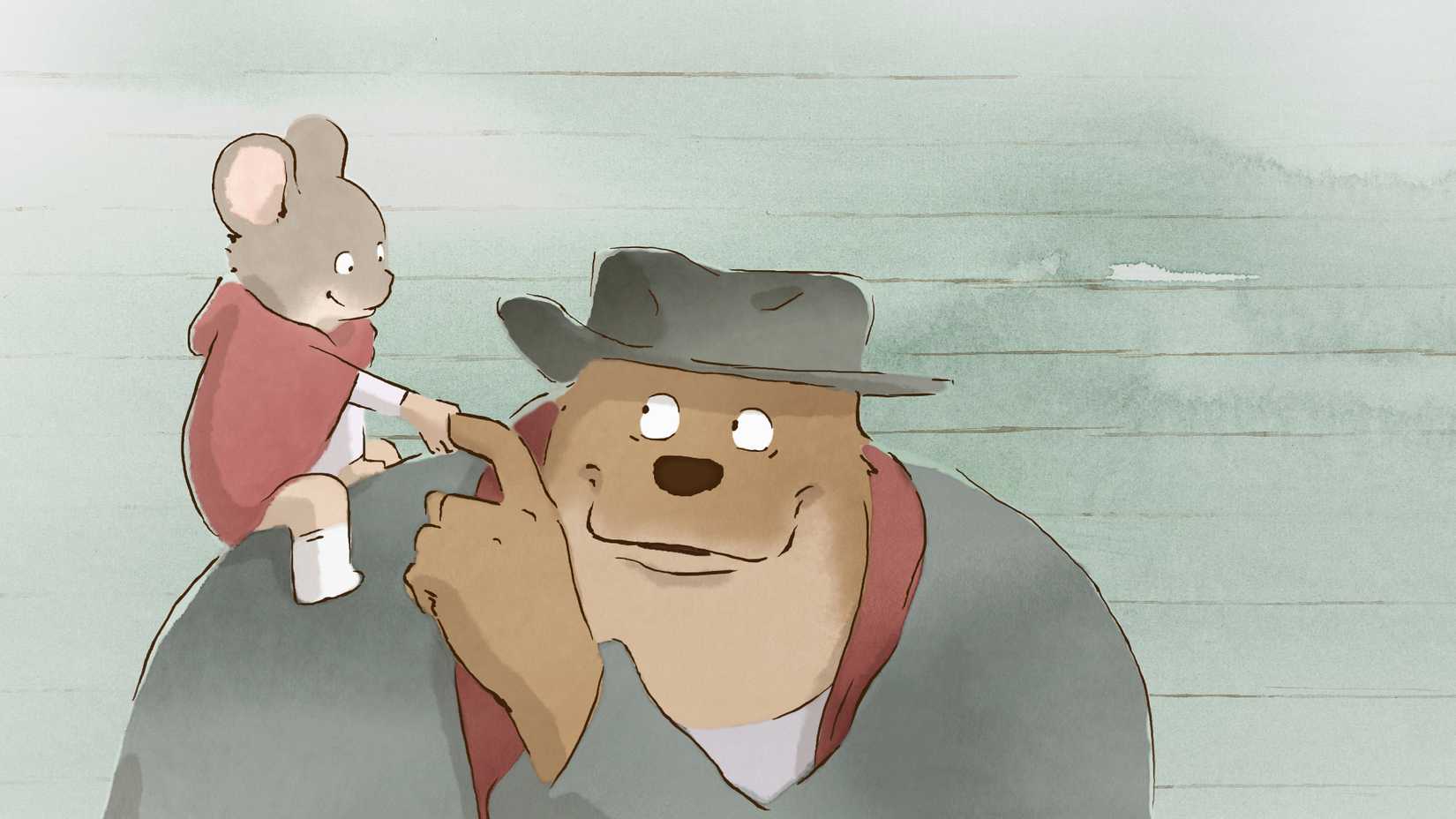
Ernest & Celestine is a French animated adaptation of Gabrielle Vincent’s children’s book. The film was created as a tribute to the late author, whose rebellious spirit is embodied in the small but mighty mouse, Celestine.
Vincent’s heart-warming illustrations come alive in the watercolor animation of the Ernest & Celestine film. The movie’s visual art is further elevated by the accompanying classical score, composed by cellist Vincent Courtois. Ernest & Celestine is an artistic endeavor at its core.
The artistic excellence of Ernest & Celestine is to be expected considering that its creators also brought audiences the award-winning animations, The Triplets of Belleville and The Secret of Kells.
The English addition of Ernest & Celestine was released in the U.S. in 2014. The film was nominated for Best Animated Feature at the 2014 Academy Awards, but lost to Frozen.
4
Fantastic Mr. Fox (2009)
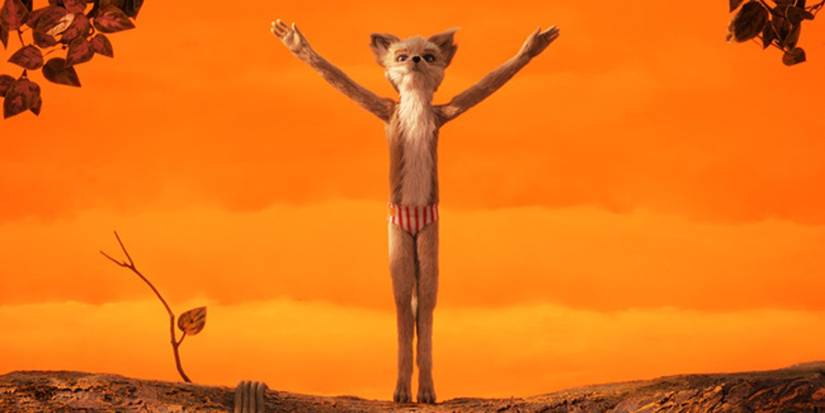
Wes Anderson’s first animated feature, Fantastic Mr. Fox, is a decisive success. While stop-motion production was a learning process for both Anderson and editor, Andrew Weisblum, the finished product does not read as a test-run.
The auteur’s whimsical aesthetic seamlessly translates to stop-motion animation. The impeccable performances from Anderson’s regular cast of actors brings the story home.
In an unconventional move, Anderson gathered his cast on a farm in upstate New York to record their voices in a natural environment. The video footage of this in-person recording session was referenced throughout the animation process. The interactive performances add a distinct air of tangibility and veracity to the fanciful cinematic work.
Fantastic Mr. Fox is a stand-out Wes Anderson piece that happens to be suitable for younger viewers.
3
Who Framed Roger Rabbit (1988)
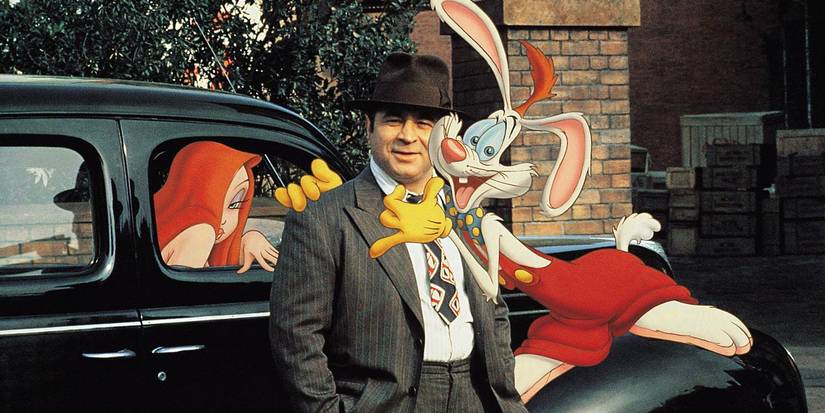
The groundbreaking film, Who Framed Roger Rabbit is a forerunner of seamless live-action and animated features—a staple in today’s filmscape.
The film noir-style kids’ movie sees a hard-boiled detective (Bob Hoskins) solve the murder of the “Toontown” owner (Stubby Kaye), a crime Roger Rabbit (Charles Fleischer) has been framed for.
Released in 1988 by Disney and Steven Spielberg’s Amblin Entertainment, Who Framed Roger Rabbit received immediate praise for its sweeping technological innovation and epic scale (via The Credits). The PG feature earned seven nominations and four wins at the 1989 Academy Awards. Disney earned the Academy’s Special Achievement Award for its groundbreaking integration of cartoon and live-action.
Who Framed Roger Rabbit is also undoubtedly astounding for its collision of the Disney and Warner Bros. universes. In 1988, it was a novel thrill for audiences to see Mickey Mouse and Bugs Bunny share a frame.
2
Paddington 2 (2017)
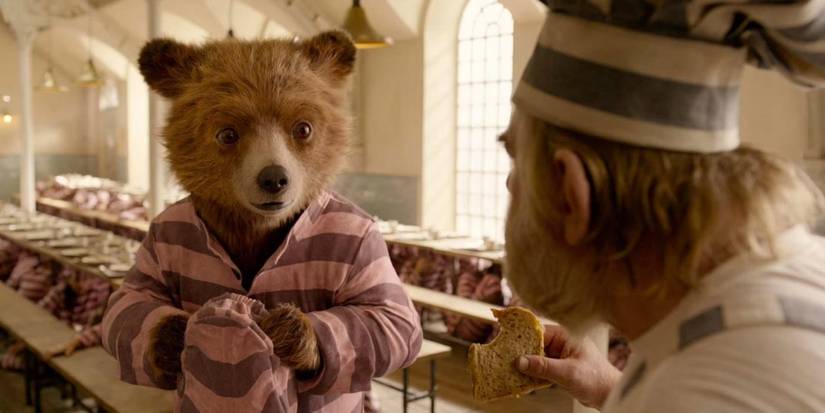
The filmmakers of Paddington 2 endeavored to create a satisfying follow-up to a polite bear’s story, and instead created a masterpiece.
In this sequel, Paddington tackles an epic journey to retrieve a priceless stolen pop-up book. After landing himself in jail, the bear develops another unlikely found-family.
The film’s high production value and heartwarming message of kindness charmed family audiences. However, the film is most highly praised by critics and film connoisseurs, who recognize its impressive craft. Paddington 2 boasts a 9/10 rating from Screen Rant and a 99% on Rotten Tomatoes.
Director Paul King’s love of film is on full display in Paddington 2. The movie is an extravagant melody of genres that directly and indirectly pays homage to its cinematic ancestors—The Usual Suspects, Casablanca, and several Wes Anderson works.
1
The Wizard of Oz (1939)
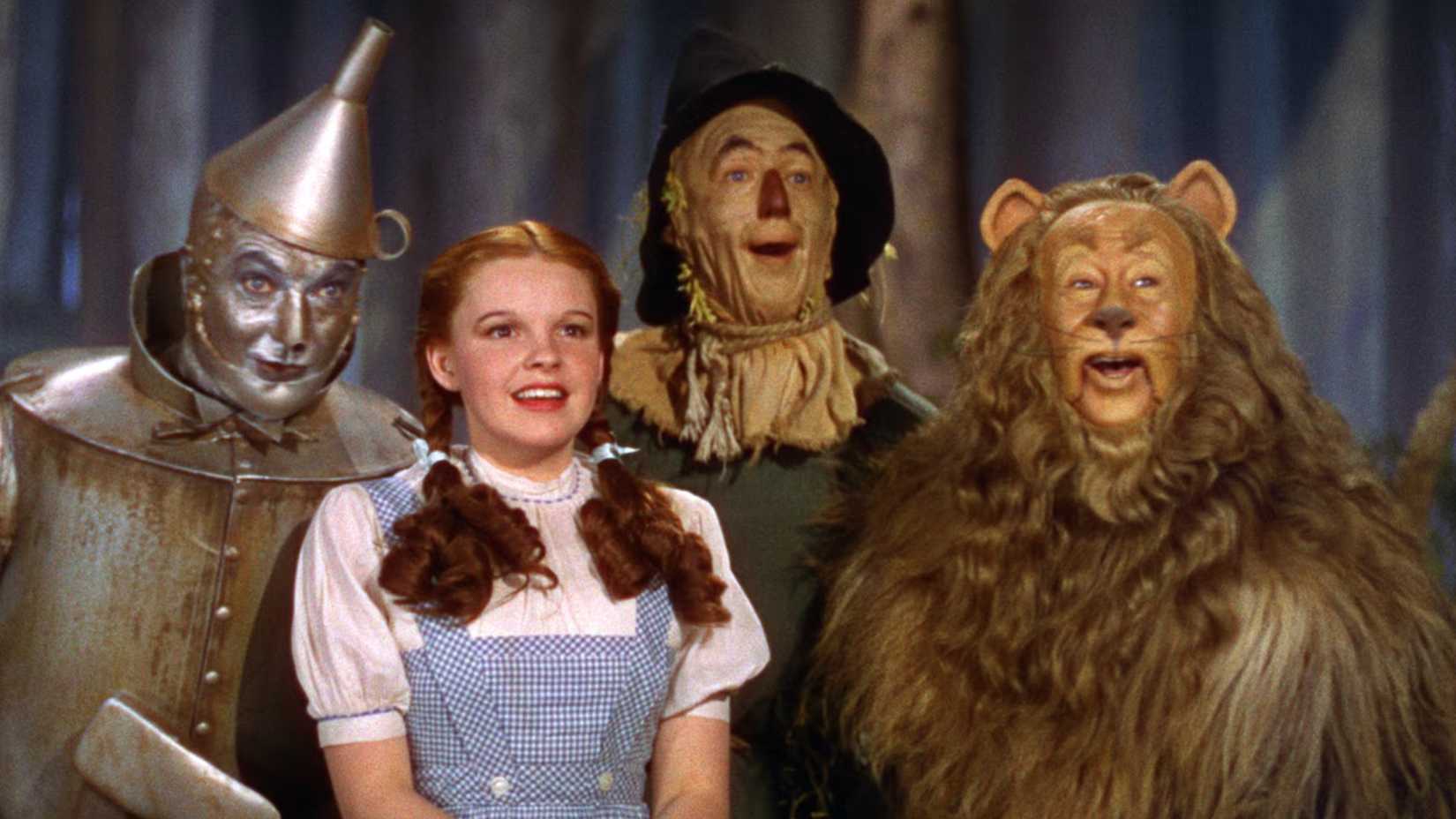
The Wizard of Oz is more than a kids’ movie, it is a fixture of cinematic history and a cultural touchstone.
Commonly misremembered as the first colored motion picture, The Wizard of Oz was in fact the first technicolor film. Technicolor is a formerly innovative technology that displays vivid color from across the spectrum, as opposed to the Kinemacolor process which has a limited color range.
The film’s dazzling color made a lasting impression on viewers, and The Wizard of Oz remains one of the most well-known and beloved films of all time. The movie received extensive viewership and praise for its innovation in the late 1930s’ and its expert storytelling and set design sustained its massive popularity over 87 years.