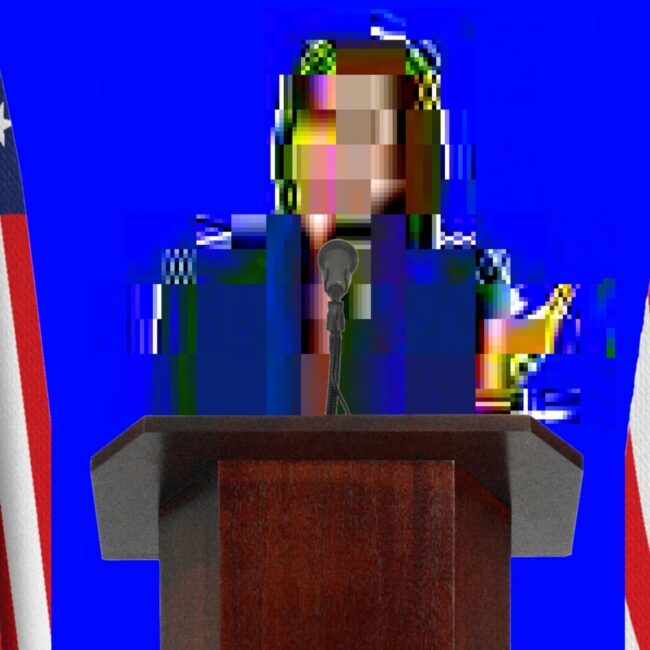
As AI images become common, the threat to elections draws alarm: ‘How will voters know what’s true?’
Deepfakes and misinformation driven by artificial intelligence have become a point of deep concern for legislators, advocates and the public



Deepfakes and misinformation driven by artificial intelligence have become a point of deep concern for legislators, advocates and the public
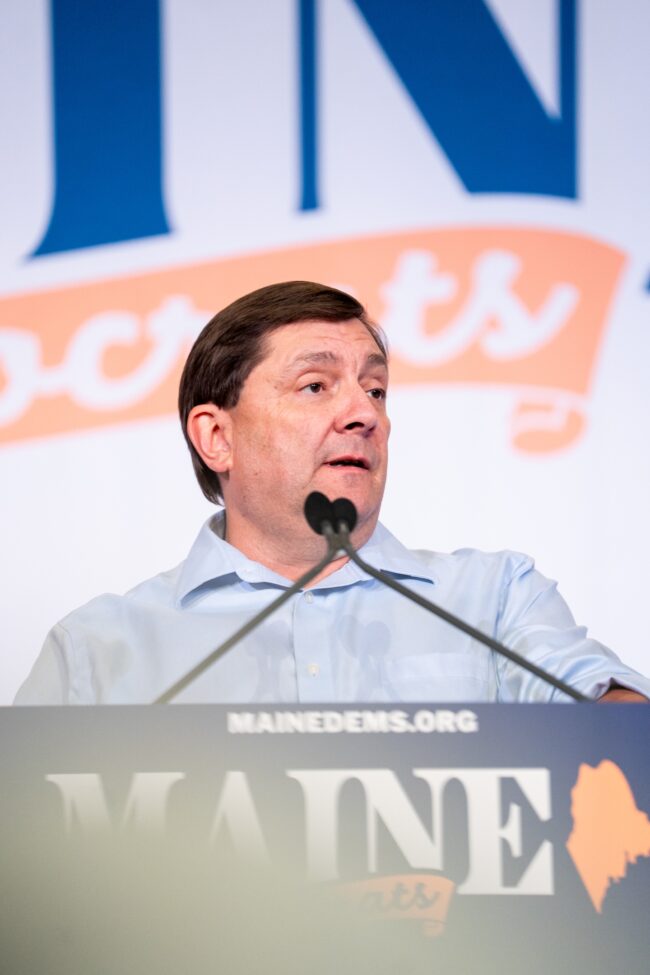
Troy Jackson is challenging Republican Sen. Susan Collins in a pivotal contest that has been dominated by campaign finance issues.

Administration’s actions run counter to its rhetoric.
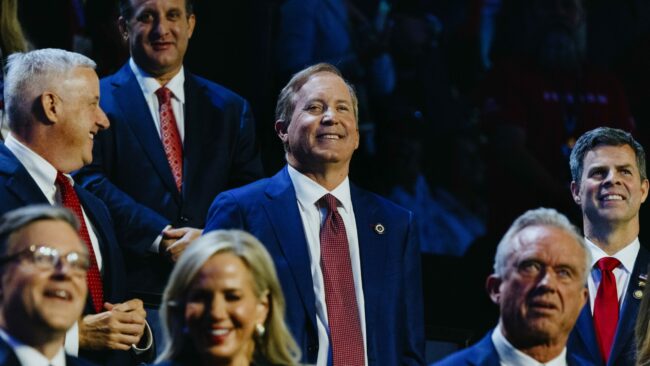
Ken Paxton, one of the party’s top Senate candidates and a Trump loyalist, said that “everybody’s numbers dropped” after the event, according to audio obtained by The Times.
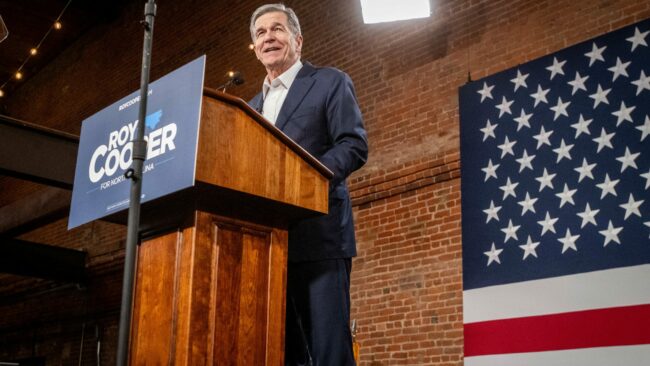
Across the country, especially in the North Carolina Senate race, Republicans have charged opponents with being soft on crime, even as President Trump brags over plunging crime rates.

In 2024, these voters were an essential part of the winning Republican coalition. Now, many feel abandoned and furious, complicating the party’s chances in November.

Competition with China is driving an unusually broad consensus across Capitol Hill about AI legislation.
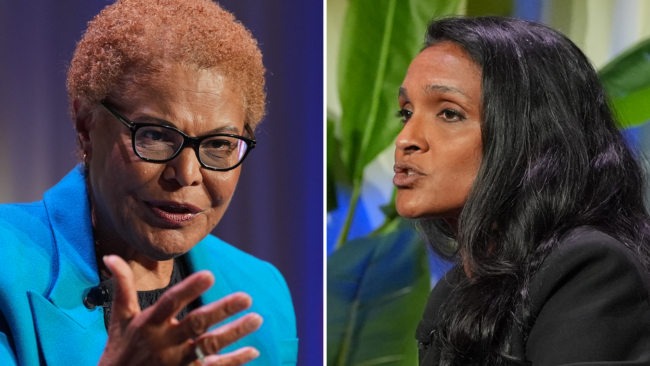
Mayor Karen Bass and her onetime ally, Nithya Raman, made their case to voters with just five weeks left until the election.
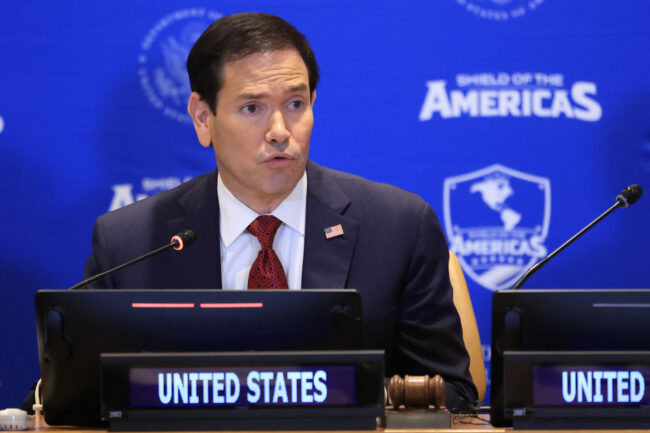
Rubio says the U.S. is working with Venezuela’s 2015 Assembly on elections, but no date exists. What talks, oil deals and protests reveal.
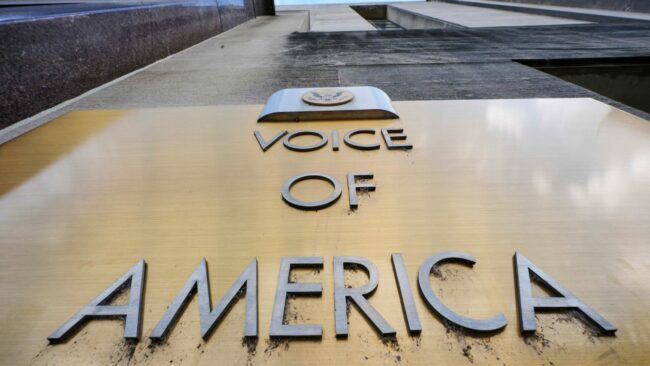
The assessment by the State Department’s inspector general echoes concerns raised by critics of the move to shutter V.O.A., including some Republicans in Congress.